
From Curiosity to Craft: The Rise of Chinese Fine Wine
Industrial winemaking in China began in 1892, when Yantai Changyu Wine Company — the country’s first modern winery — was founded on the Shandong coast. For most of the 20th century, Chinese wine was made for volume, not distinction.
That changed after 1978, when China opened its doors to foreign investment, and by the early 2000s a new wave of Chinese winemakers — many trained in Bordeaux — began asking a different question: not how much wine can we make, but how good can it be?
The turning point came in 2011, when a small Ningxia winery’s 2009 Cabernet blend won the International Trophy at the Decanter World Wine Awards — the first Chinese wine ever to do so. Since then, Chinese wines now regularly place in international competition shortlists, earn scores from critics like James Suckling and Jancis Robinson that rival Old World benchmarks, and are finding their way onto wine lists in Michelin-starred restaurants worldwide.
We source ours from two regions doing that work exceptionally well.
Wine Regions
Bottles in Collection
Years of Mei Wah
Trusted Customers
Exelent taste and the best quality
Etiam dui ipsum, viverra vel turpis ut, dignissim elementum mauris. Sed dapibus auctor scelerisque. Aenean at leo tellus. Morbi eu leo sapien. Fusce libero dolor, venenatis eget enim sed, commodo efficitur
Meet Our Team

Bobby Porter
Sous Chef

Jeremy Elliot
Chef

Bianca Powell
Pastry chef

Johnny Jordan
Executive Chef

Eugene Collins
Meat Chef

Jonathan Dean
Desert Chef
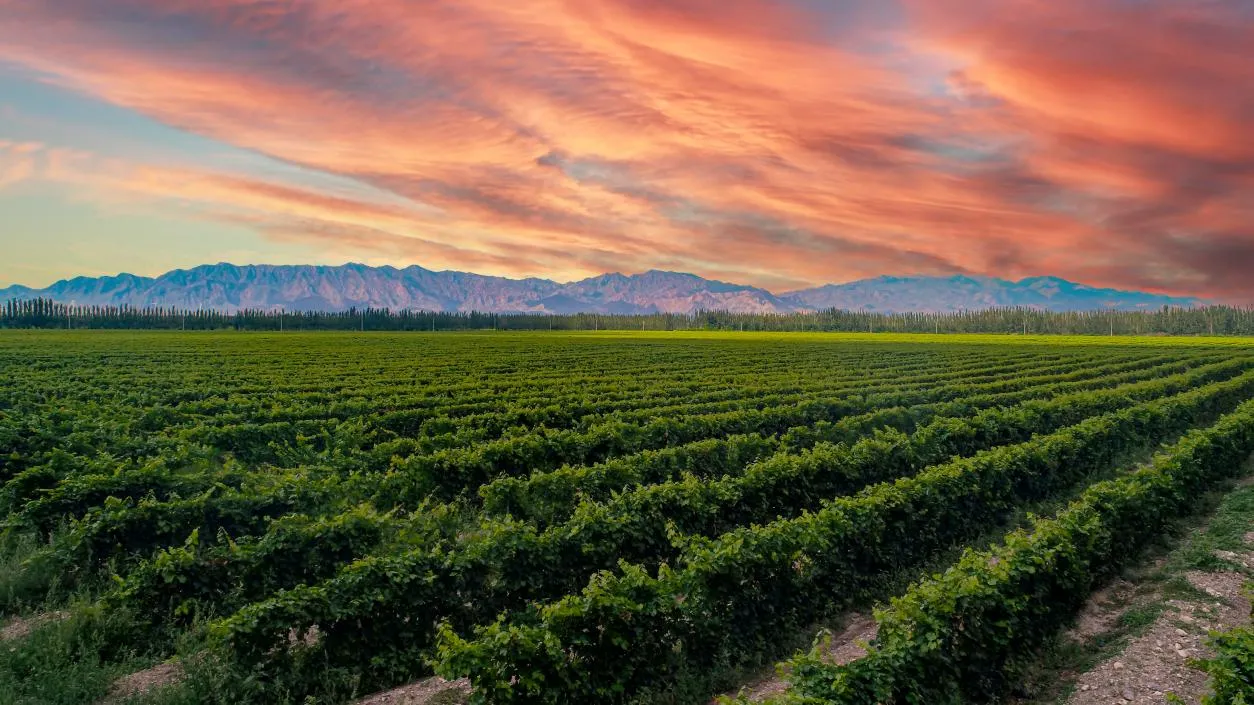
Ningxia — The Helan Mountains
“China’s Bordeaux,” at the edge of the desert
Along the eastern foothills of the Helan Mountains, where the Gobi Desert meets fertile alluvial soil, lies Ningxia — China’s most celebrated wine region. Over 3,000 hours of sunshine a year, barely 200mm of rainfall, and temperature swings of 12–15°C between day and night concentrate flavor and preserve natural acidity in the fruit. Winters are so severe that every vine must be buried under soil each November and unearthed again in spring.
The reward: bold, structured Cabernet Sauvignon-based reds with real depth and ageing potential, alongside increasingly refined whites and sparkling wines.
Our Ningxia wines come from Changyu, whose Château Changyu Moser XV estate sits at the foot of the Helan Mountains — a partnership with the Moser family, one of Europe’s most respected winemaking dynasties.
Huailai — Hebei’s Quiet Revolution
An hour from Beijing, a lifetime in the making
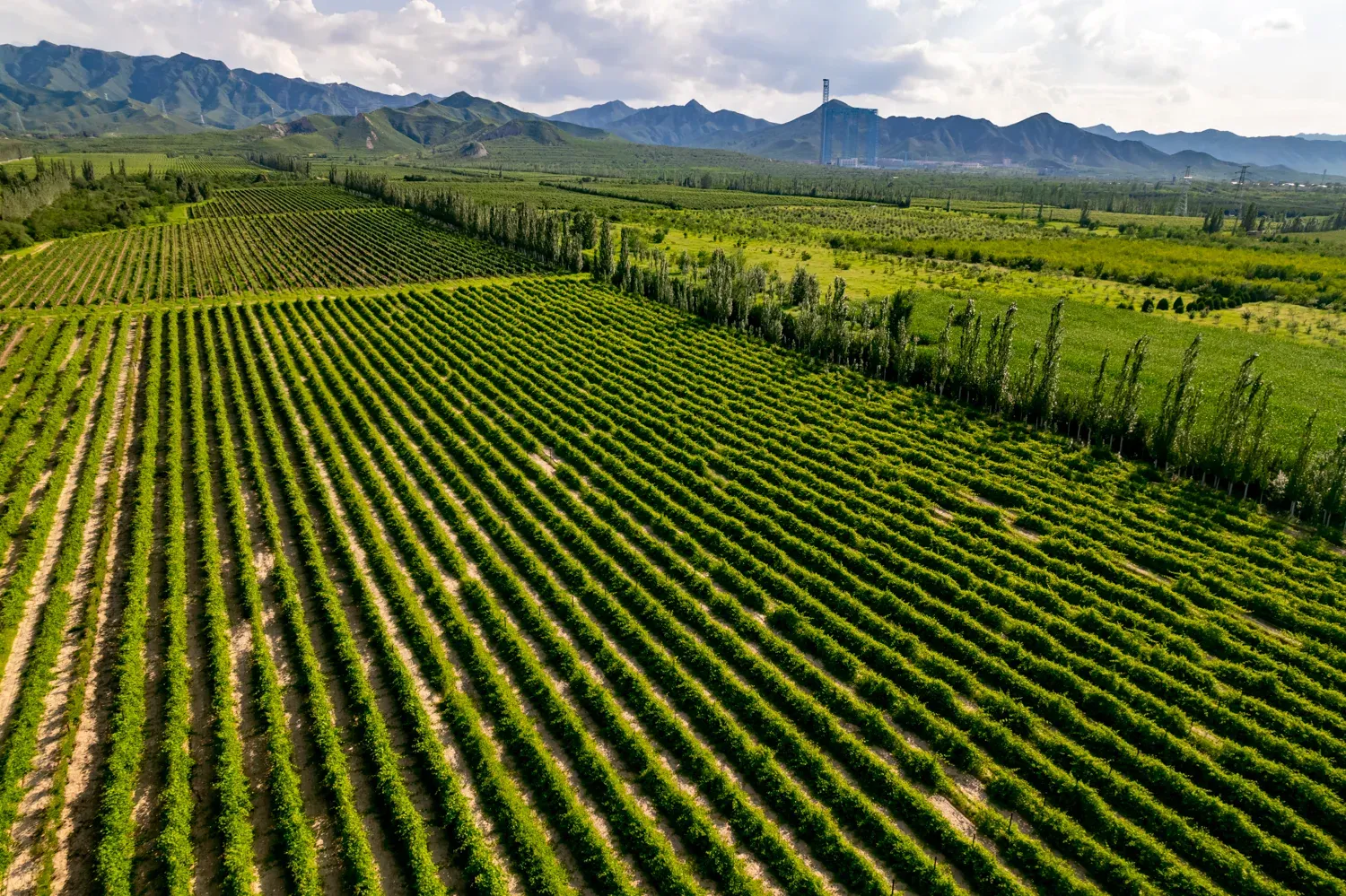
Where Ningxia is dramatic desert terroir, Huailai is something gentler — rolling hills between the Yan and Taihang mountain ranges, just an hour northwest of Beijing. It was here, in 1978, that China built its first modern wine research base.
It’s also the birthplace of a national signature grape: in 2001, the first Marselan vine in China was planted in Huailai. This cross of Cabernet Sauvignon and Grenache has since become something close to a house style — supple, aromatic, and unmistakably suited to the Huailai soil.
Our Huailai wines come from two producers working side by side: Canaan Wine Estate, founded by winemaker Wu Yefei, known for expressive, terroir-driven reds; and Domaine Franco-Chinois (DFC), the estate whose original vine cuttings are the ancestor of nearly all Marselan now grown in China.
Explore our current selection and find the bottle that speaks to you.
We don’t pour Chinese wine because it’s novel. We pour it because it’s genuinely good, because it pairs beautifully with the food we cook, and because — like the dishes on this menu — it carries a story of place, craft, and quiet ambition.